The Baby In Yellow has transcended the boundaries of a typical indie horror experiment and evolved into a cultural phenomenon. Millions of players worldwide have downloaded, streamed, and discussed this game, transforming it from a quirky project into one of the most viral horror titles of the decade. But what exactly makes The Baby In Yellow so unique? Why do players keep returning to it, and what deeper meanings lie beneath its unsettling surface?
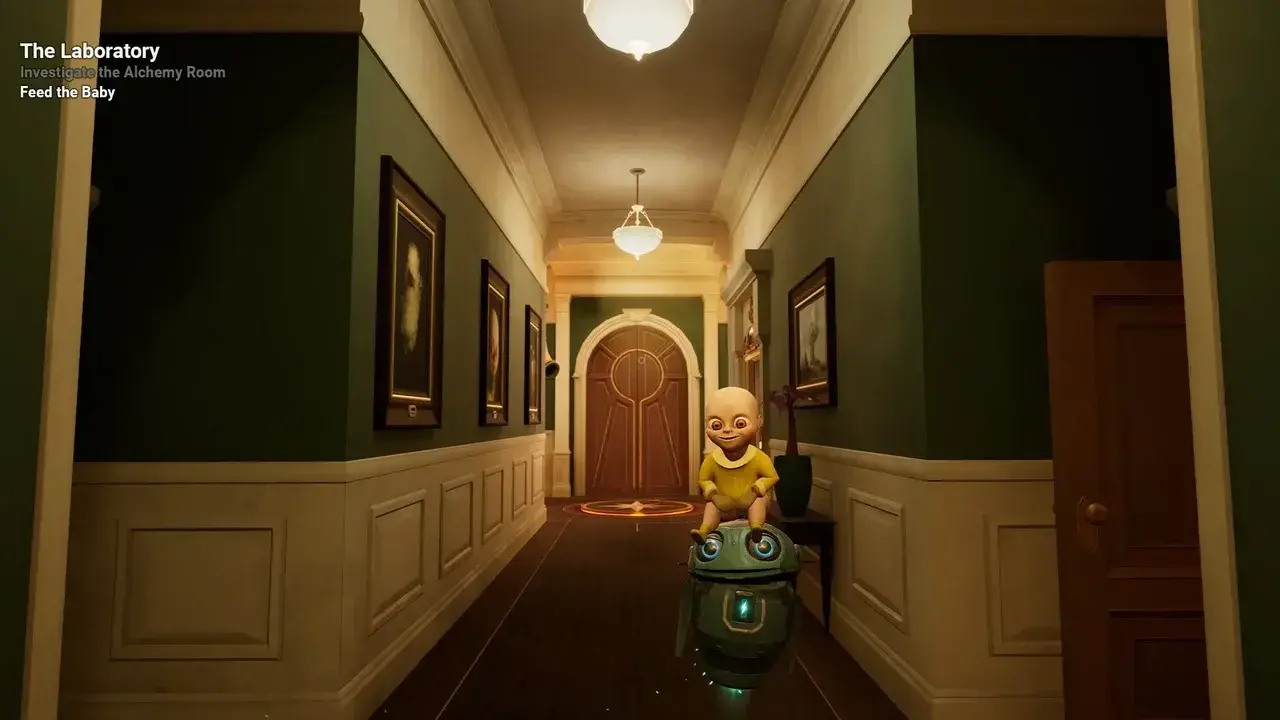
At its core, The Baby In Yellow is deceptively simple. The player is cast into the shoes of a babysitter, tasked with ordinary duties like preparing bottles, changing diapers, and tucking a child into bed. Yet, nothing about this babysitting job feels ordinary. The infant, dressed in its iconic yellow pajamas, exhibits behaviors that defy the natural world. Lights flicker, doors lock on their own, and the baby’s eyes follow you in ways that send shivers down your spine.
This article goes beyond the surface-level gameplay to examine the deeper psychological and thematic layers of The Baby In Yellow. We will analyze the mechanics that build suspense, explore community theories about the baby’s true nature, and break down the reasons behind the game’s explosive popularity. By addressing these questions, we’ll uncover why this indie horror title resonates so strongly with players across the globe.
More importantly, we will discuss how the game reflects broader themes of responsibility, fear, and anxiety — all while wrapped in a package that blends humor and horror in equal measure. For some, The Baby In Yellow is merely a short, entertaining horror game. For others, it’s a mirror that reflects the darker aspects of human psychology. Let’s explore both interpretations.
From hidden lore to player-driven theories, from jump scares to comedic relief, The Baby In Yellow offers a surprisingly rich experience for such a minimalist design. Whether you are a newcomer or a veteran of the game, this guide will provide a new perspective on what makes it so unforgettable.
Understanding the Gameplay Mechanics
Task-Oriented Horror
The genius of The Baby In Yellow lies in its structure. Players are given familiar, mundane tasks — feeding, cleaning, babysitting — and then forced to complete them under increasingly bizarre conditions. This dissonance creates an atmosphere of dread. The normal becomes abnormal, and the ordinary turns nightmarish.
Balancing Comedy and Fear
Unlike many horror games that rely solely on fear, The Baby In Yellow integrates humor. The absurdity of chasing a flying baby or watching it teleport into another room often provokes laughter. This duality keeps the game accessible to a wide audience while ensuring that fear is never too far behind.
The Lore and Hidden Meanings
The Baby In Yellow does not explicitly reveal its story, leaving players to interpret clues scattered throughout the environment. Some theories suggest the baby is a demon in disguise. Others argue the babysitter is hallucinating due to stress or guilt. The ambiguity invites speculation, fueling community discussions and keeping the game alive long after its release.
Psychological Themes
Fear of Responsibility
One of the most powerful interpretations of The Baby In Yellow is that it symbolizes the fear of responsibility. Babysitting, parenting, and caretaking are all real-life situations filled with stress. By exaggerating these anxieties through horror, the game connects with players on a personal level.
Loss of Control
Another recurring theme is helplessness. No matter how hard players try to complete their duties, the baby disrupts their efforts. This lack of control reflects universal fears of being powerless in life’s critical moments.
Community Reactions and Popularity
Content creators on YouTube and Twitch played a massive role in boosting The Baby In Yellow’s visibility. Its short, replayable format made it perfect for reaction videos, and its mixture of scares and laughs ensured viral success. The community’s enthusiasm encouraged the developers to add updates, new levels, and additional lore, making the game more than just a one-time experience.
Updates and New Chapters
Over time, the developers expanded The Baby In Yellow with new content. These updates included extended storylines, additional puzzles, and new settings that deepened the lore. Each update was met with excitement, proving that fans were eager for more answers — and more mysteries.
Frequently Asked Questions
Is The Baby In Yellow based on a true story?
No, it is a fictional horror game created for entertainment. However, its themes resonate with real-life anxieties about childcare and responsibility.
How long does it take to finish the game?
The original version can be completed in under an hour, but with new updates and hidden endings, players can spend several hours exploring all possibilities.
Can you escape the baby?
Depending on the player’s choices, there are multiple outcomes. Some allow for temporary escape, while others trap the babysitter in endless cycles.
Why The Baby In Yellow Resonates
At the heart of its success, The Baby In Yellow thrives because it’s more than just jump scares. It reflects human fears, invites laughter, and sparks curiosity. It’s short enough for casual players but deep enough for theorists. This balance has ensured its place as one of the most iconic indie horror titles of the modern era.
Conclusion
The Baby In Yellow stands as proof that horror does not need complexity to succeed. With simple mechanics, creative design, and layers of meaning, it has cemented itself as a memorable part of gaming culture. Whether you view it as a terrifying babysitting simulator or a metaphor for deeper psychological struggles, one thing is clear: The Baby In Yellow will continue haunting players for years to come.